Homes in Englewood, CO were mostly built in the fifties and sixties, and the panels, wiring, and circuits installed back then were sized for a much lighter load than what sits on them now. The electrical contractors in Littleton network reaches these homes with electricians who know what a fuse box from that era actually means for the work ahead, and who can pair a panel assessment with expert electrical panel upgrade work when the box is out of room.
When a breaker will not reset or an outlet runs warm, homeowners here call a local electrician because the fix depends on what is already in the walls, not on a generic checklist.
Knowing Englewood Homes Changes What the Work Involves
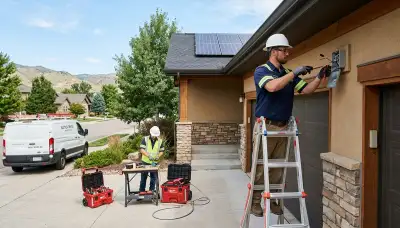
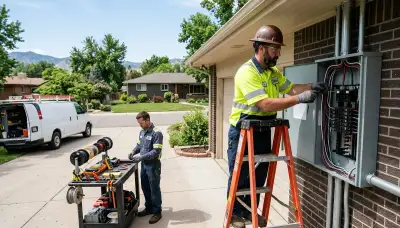
Most houses in Englewood are wood-frame construction over a basement, built in the decades when 60-amp service was standard. A local electrician knows where the panel sits, how the circuits were laid out, and what was added later without being sized for it.
These homes commonly need panel replacements and circuit additions, two jobs that look straightforward until the basement layout or the original wiring path complicates the run. Homeowners in nearby Centennial, CO electrical services face similar situations when houses of the same era are involved.
Getting the problem looked at early keeps a small issue from becoming one that opens walls and ceilings.
Electrical Work Matched to How Englewood Homes Are Built
An off-the-shelf approach fails in a house with a basement panel, original two-prong outlets, and circuits that were never separated by room use. The path a new circuit takes, and how long it takes to get there, depends entirely on what is already in the structure.
Detached homes with basements give an electrician a clear run for new circuits but bring their own complications when the garage or a backyard shed needs a dedicated circuit added. Attached homes share walls that limit where conduit can travel, making reliable outlet repair work more involved than it looks from the outside.
Four services that fit these homes directly: professional electrical wiring for circuits that were never separated properly, quality GFCI circuit installation near sinks and wet areas, specialist generator installation for homes that need a backup source, and reliable smoke detector installation tied into circuits that can actually support it.
What the Age of Englewood Homes Still Decides Today
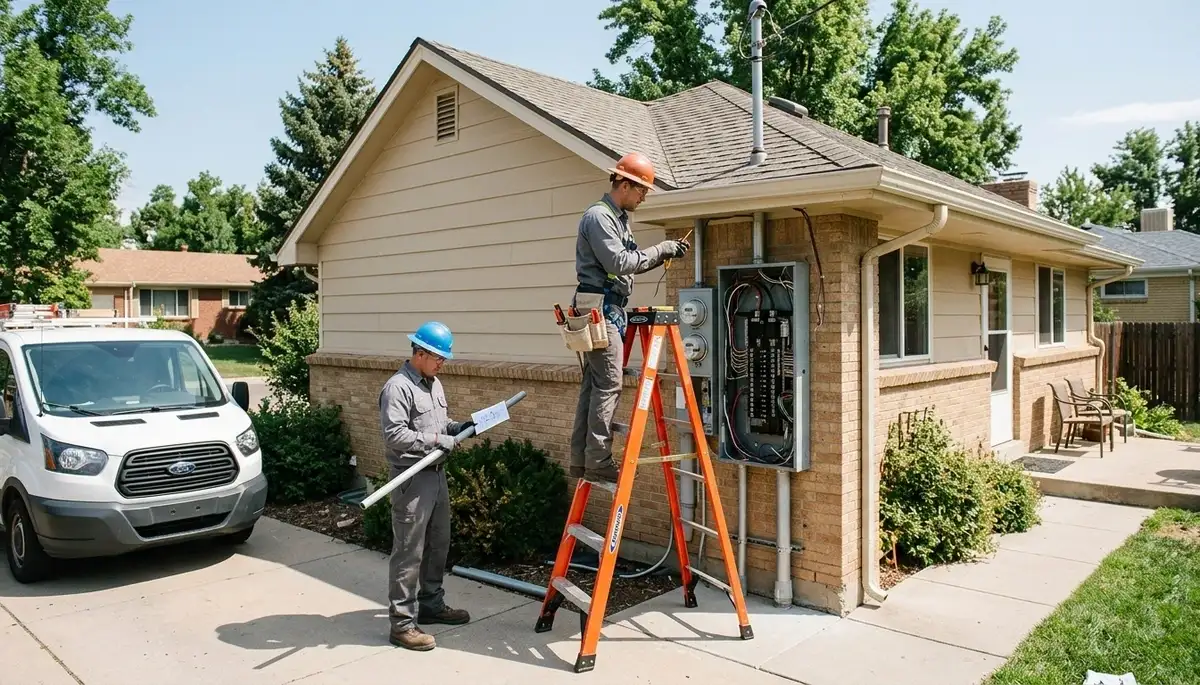
Most homes in Englewood went up in the fifties and sixties, a period when 60-amp fuse boxes were the standard, two-prong ungrounded outlets were installed throughout, and no circuit was separated for kitchen appliances or bathroom loads. Those three facts still shape almost every electrical job done in these houses today.
Fuses Instead of Breakers
A homeowner in an Englewood house from this period may still open the panel and find screw-in fuses rather than breakers. That box was sized for a refrigerator, a few lamps, and a radio. Running a dishwasher, a microwave, and a window unit on the same service pushes it past what it was ever designed to handle, and a fuse that blows repeatedly is a sign the load has already exceeded the limit.
Local electricians replace the fuse box with a properly sized breaker panel, adding enough capacity for the circuits the home now needs. Homeowners in Glendale, CO with houses from the same era have gone through the same upgrade.
Outlets Warm to the Touch
An outlet that feels warm, or a light that dims when the refrigerator kicks on, points to wiring that is undersized for the load on that circuit. In homes built during the late fifties and sixties, this often means the original branch wiring was never separated by function, so the kitchen, the dining room, and part of the living room all share one run.
Adding dedicated circuits for the kitchen and separating high-draw appliances onto their own runs stops the dimming and removes the heat buildup at the outlet that signals a connection under stress.
Two-Prong Outlets Throughout the House
Ungrounded two-prong outlets are what a homeowner finds when the wiring predates the grounding requirement. They are not just inconvenient for three-prong plugs. They leave electronics, appliances, and anyone touching them without the fault path that modern wiring provides.
Replacing two-prong outlets with grounded three-prong outlets, or installing the outlets with test and reset buttons where grounding the circuit is not practical, corrects the gap and brings those receptacles in line with what the house needs.
Car Charger Added to a Panel That Was Never Sized for It
An electric vehicle charger draws more than any single appliance the house was originally wired for. Plugging a Level 2 charger into a 60-amp or even a 100-amp service that is already carrying a full load of modern appliances leaves no headroom, and a hot summer afternoon running air conditioning alongside the charger pushes the service past its limit.
Adding a subpanel or upgrading the main service gives the charger its own dedicated circuit with the capacity to run reliably, and leaves room for the rest of the house to run alongside it without tripping breakers or dimming lights.
Basement Panel in a Tight Utility Corner
In many Englewood homes the panel sits in a basement utility corner with finished walls on two sides and the water heater nearby. That placement was fine when the box was installed, but it complicates every job that requires adding a circuit or replacing the panel itself, because the work space is limited and the path to the floors above is not always open.
Local electricians plan the access route before the job starts, working through the basement ceiling or an adjacent closet to keep the finished areas of the house intact and the job contained to the utility space.
Call (720) 999-9594 to arrange a no-pressure visit with a local electrician who can look at what the panel and wiring in your Englewood home are actually carrying right now.
On Call Electrical brings consistent, dependable work to every Englewood home it serves.

Full Electrical Services Available in Englewood, CO
The work listed below covers the range of what local electricians handle in Englewood, CO. Find what matches your situation and reach out.
Urgent Electrical Repairs in Englewood, CO
- Electrical Repair - A breaker that will not reset or an outlet that stopped working in a house this age needs a same-day look, not a wait.
- Outlet Repair - Warm outlets or outlets that spark when something is plugged in are a sign the connection behind the wall has failed.
- Switch Repair - A switch that buzzes, feels warm, or controls a light intermittently points to a loose connection that gets worse with use.
- GFCI Circuits - Bathrooms and kitchens in older homes often have no fault protection at all, which is a problem near any water source.
- Electrical Service - When the main service feeding the house is the source of repeated problems, replacing it stops the cycle.
If something in your Englewood home has stopped working or is behaving strangely, do not wait to have it checked.
Panel, Capacity, and Wiring Work in Englewood, CO
- Electrical Panel Upgrade - A 60-amp fuse box was sized for far less than what a home runs today; upgrading it gives the house room to operate safely.
- Electrical Panel Installation - Replacing a panel that is out of slots or out of capacity is the foundation every other circuit addition depends on.
- Electrical Wiring - Original wiring in homes from the fifties and sixties was run for the loads of that decade, not for what sits on it now.
- New Construction Wiring - Additions and finished basements in these homes need wiring that meets what the new space will actually use.
- Electric Car Charger Installation - A dedicated circuit sized for a Level 2 charger is the only way to charge reliably without stressing the panel.
Homes in Englewood that were wired decades ago benefit from having their capacity matched to what they are being asked to run now.
Safety and Protection Work in Englewood, CO
- Smoke Detector Installation - Detectors wired into the circuit rather than battery-only give a home in this age range the protection it should have had from the start.
- Fire Alarm Installation - A connected alarm system in a house with original wiring gives the homeowner an early warning the wiring itself cannot provide.
- Whole Home Surge Protection - A single surge can damage every appliance and device connected to a panel that has no protection between it and the line.
- Lightning Surge Protection - Homes with older wiring have less margin when a voltage spike hits; a surge device at the panel absorbs what would otherwise reach every circuit.
- Home Electrical Inspections - An inspection of a house this age tells the homeowner exactly what the wiring is carrying and what it cannot safely handle.
Protection work in Englewood homes matters most when the wiring behind the walls is decades old and has never been assessed. A home electrical inspection is the clearest way to know what the house actually needs, and pairing it with surge protection and detector upgrades closes the gaps that age and original construction left open. Homeowners who act before a problem surfaces avoid the more disruptive repairs that follow a failure.
Lighting, Outdoor, and Added-Load Work in Englewood, CO
- Recessed Lighting Installation - Adding recessed fixtures to a finished basement or main floor in a home this age requires running new circuits, not just cutting holes.
- Landscape Lighting - Outdoor lighting runs in Englewood homes that have detached garages or large lots need dedicated circuits that were not part of the original plan.
- Security Lights - Motion-activated lights on the exterior of a detached home need a circuit that reaches the garage or back of the lot without overloading an interior run.
- Generator Installation - A standby generator tied to the panel gives an Englewood home a backup source without the extension cords that overload circuits.
- Ceiling Fan Installation - Older ceiling boxes in these homes were not rated for a fan's weight or motion; replacing the box before the fan goes up is part of the job.
Added loads on Englewood homes built in the fifties and sixties need circuits and panels that were sized for them, not borrowed capacity from runs that are already full. Outdoor work, lighting upgrades, and backup power all start with knowing what the existing service can carry.